
You’ll prevent most bed sores by identifying at-risk patients and inspecting their skin daily for warning signs. Establish a repositioning schedule every two hours for bedridden individuals and every 15-30 minutes for wheelchair users. Use proper handling techniques, specialized cushions, and the 30-degree lateral tilt to reduce pressure and shear. Maintain skin hydration with moisturizers and barrier creams. Optimize nutrition and hydration, as they support skin integrity. Learn additional strategies to maximize your prevention efforts.
Key Takeaways
- Regularly reposition bedridden patients every two hours and wheelchair users every 15-30 minutes to relieve pressure and improve circulation.
- Assess skin daily for warning signs including redness lasting over 30 minutes, blisters, temperature changes, and unusual sensations.
- Provide nutritional support with adequate protein and calories as malnutrition increases pressure ulcer risk and impairs healing.
- Use specialized mattresses containing foam, air, gel, or water and appropriate cushions to distribute pressure evenly.
- Implement risk assessment tools to identify high-risk patients and develop individualized prevention plans tailored to specific needs.
Understanding Pressure Sores and Their Causes
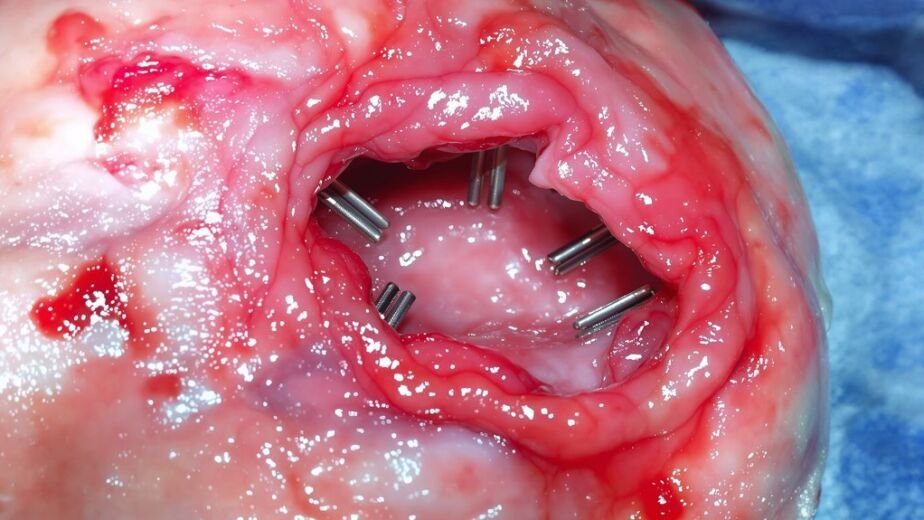
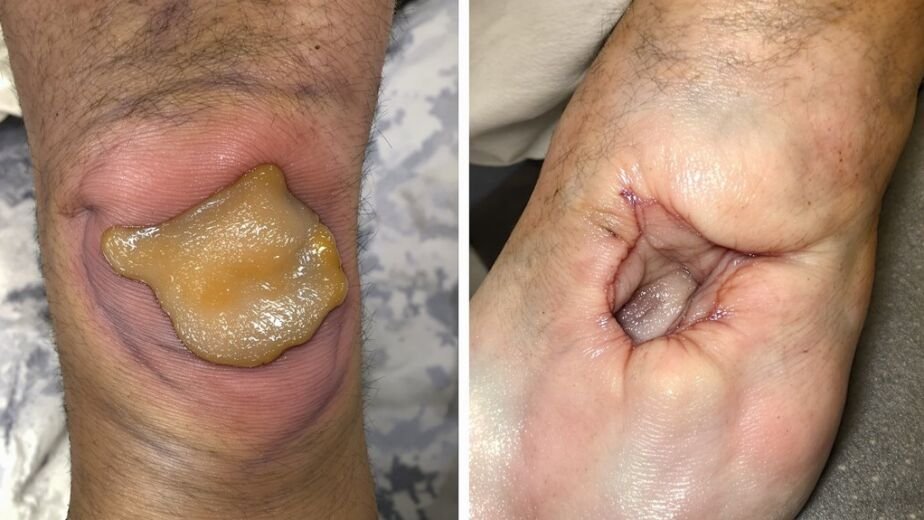
When prolonged pressure restricts blood flow to your skin, tissue damage occurs—a condition commonly known as pressure sores, bed sores, or pressure ulcers. These lesions develop when constant pressure on vulnerable areas impedes circulation to tissue, causing damage that can quickly worsen.
As a caregiver, you’ll need to understand the key risk factors: immobility stands as the primary concern, followed by advanced age, incontinence, and medical conditions affecting blood flow like diabetes or vascular disease.
Beyond pressure alone, friction from movement and shearing forces that occur when skin slides over underlying tissue contribute to damage. Early recognition proves essential for prevention.
Watch for persistent skin color changes lasting over thirty minutes and unusual sensations like tingling or numbness. Understanding these causes empowers you.
Identifying Risk Factors and Vulnerable Individuals
Now that you understand how pressure sores develop, you’ll need to recognize which individuals face the highest risk. Bedridden or immobile people encounter the greatest pressure on their vulnerable body areas.
Older adults are particularly susceptible because their skin’s thinner, less elastic condition makes it prone to injury. You should know that medical conditions affecting blood supply—like diabetes and cardiovascular disease—significantly increase the risk of developing pressure ulcers by limiting circulation to skin tissues.
Older adults’ thinner skin combined with blood flow conditions like diabetes and cardiovascular disease significantly increases pressure ulcer risk.
Additionally, incontinence weakens skin and heightens friction vulnerability. Limited mobility combined with friction and shearing forces creates dangerous conditions for skin breakdown.
When caring for pressure ulcers, recognizing these specific risk factors in vulnerable individuals allows you to implement effective preventative strategies and protect those under your care.
Daily Skin Care and Inspection Protocols
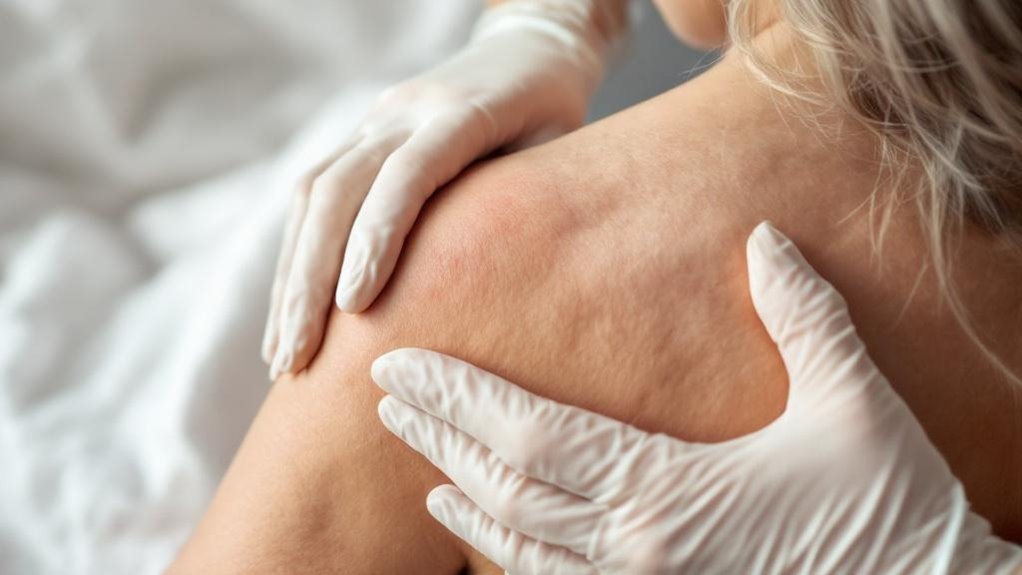
Because your skin’s integrity directly determines whether pressure ulcers develop, you’ll need to establish a thorough daily skin care and inspection routine that targets the areas most vulnerable to breakdown.
Inspect your skin at least twice daily, examining the sacrum, coccyx, heels, and elbows for discoloration, blisters, or dryness. Use mirrors for hard-to-see areas, developing a systematic approach that guarantees no spot’s overlooked.
Apply appropriate moisturizers to maintain hydration and use protective barrier creams to shield against incontinence-related moisture. Document all findings carefully.
Implementing Effective Repositioning and Pressure Relief
Since pressure accumulates whenever your body stays in one position too long, strategic repositioning becomes essential to maintaining skin integrity and preventing bed sores. You’ll establish a turning schedule that prioritizes high-risk areas like the sacrum and heels. Implement repositioning every two hours for bedridden individuals and every 15-30 minutes for wheelchair users. Caregivers should use positioning aids—pillows, foam pads, and specialized cushions—to protect bony areas during repositioning. Employ the 30-degree lateral tilt technique to enhance blood circulation while reducing shear forces that cause skin damage. Train your caregiving team in proper handling techniques to prevent pressure ulcers effectively. You’ll monitor skin health continuously through regular inspections. This multifaceted pressure relief approach greatly reduces pressure injury risk and maintains tissue integrity throughout.
| Positioning Method | Frequency | Key Benefit |
|---|---|---|
| 30-degree lateral tilt | Every 2 hours | Maintains blood circulation |
| Supine with proper padding | Every 2 hours | Protects bony areas |
| Wheelchair weight shifts | Every 15-30 minutes | Prevents skin damage |
| Heel elevation | Continuous | Offloads heel pressure |
Optimizing Nutrition, Hydration, and Circulation

While strategic repositioning and specialized equipment are essential, the nutrients traveling through your bloodstream are equally critical to preventing bed sores effectively.
You’ll strengthen skin health by providing a balanced diet rich in protein, fruits, and vegetables—these directly support tissue repair. Make certain at least two quarts of water daily; dehydration impairs the skin’s ability to heal and resist breakdown.
Encourage regular movement and physical activity, which enhance blood circulation and deliver oxygen to vulnerable areas. Even when mobility is limited, gentle exercises improve blood flow considerably.
For those you’re caring for, monitor nutritional intake carefully—malnutrition accelerates pressure sore development. Circulation-boosting habits like quitting smoking further support skin resilience.
As a caregiver, you’re directly addressing the biological foundation for preventing bed sores.
Selecting and Maintaining Support Equipment and Bedding
Building on the internal foundation you’ve created through proper nutrition and circulation, your choice of support equipment and bedding provides the external protection your skin requires.
Selecting specialized mattresses with foam, air, gel, or water helps prevent pressure ulcers by optimizing weight distribution and enhancing blood circulation. Assess your patient’s mobility level and skin sensitivity when choosing support equipment matching their specific needs.
Specialized mattresses optimize weight distribution and enhance circulation, while matching support equipment to each patient’s mobility and skin sensitivity prevents pressure ulcers.
Avoid donut-shaped cushions that reduce blood flow and promote tissue swelling. Instead, utilize pressure-reducing devices like riser recliner chairs or profiling beds that redistribute pressure evenly.
Regularly inspect and maintain all bedding and support equipment to guarantee proper functioning, preventing skin breakdown from worn materials. Following manufacturers’ recommendations protects both patient outcomes and caregiver safety while maximizing equipment longevity.
Recognizing Warning Signs and Seeking Medical Attention
What early warning signs should you monitor for during your daily skin inspections?
You’ll want to watch for persistent redness lasting longer than 30 minutes, blisters, and changes in skin temperature or texture. Individuals with dark skin tones may exhibit deep purple or bluish discoloration as warning signs instead.
Pay attention to unusual sensations like numbness, burning, or tingling on the affected area, as these indicate potential skin damage.
Signs of infection demand immediate medical attention from a healthcare provider.
You should watch for increased redness, swelling, foul odor, or discharge from pressure ulcers. Early recognition and treatment are essential—untreated sores progress rapidly and lead to severe complications.
As caregivers, your vigilant monitoring prevents minor warning signs from becoming life-threatening tissue damage.
Conclusion
You’ll succeed in preventing bed sores by consistently applying multiple core strategies—regular repositioning, vigilant skin inspection, proper nutrition, and appropriate equipment. You don’t need perfection; you need unwavering dedication. You’ll benefit most when you maintain pressure relief every two hours, provide high-protein nutrition, guarantee adequate hydration, and monitor skin changes continuously. You can prevent these devastating complications by combining these evidence-based practices with compassion and seeking professional support when you need it.