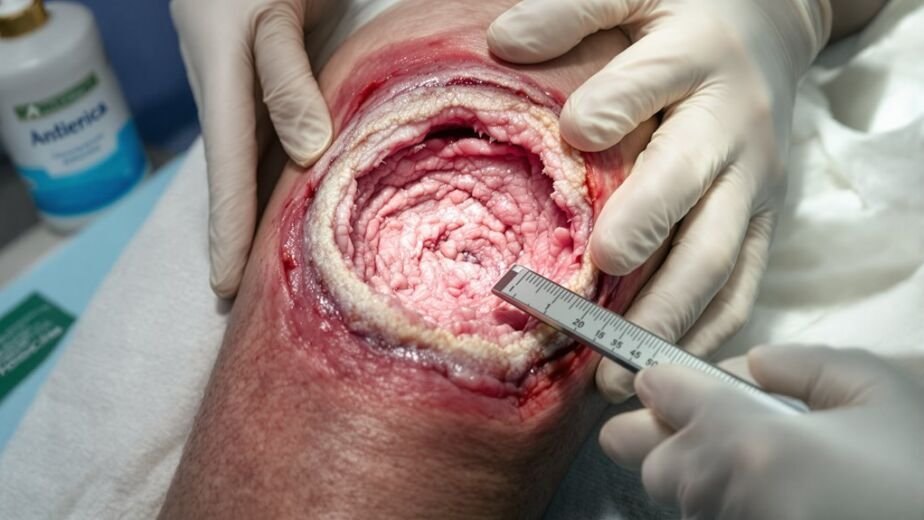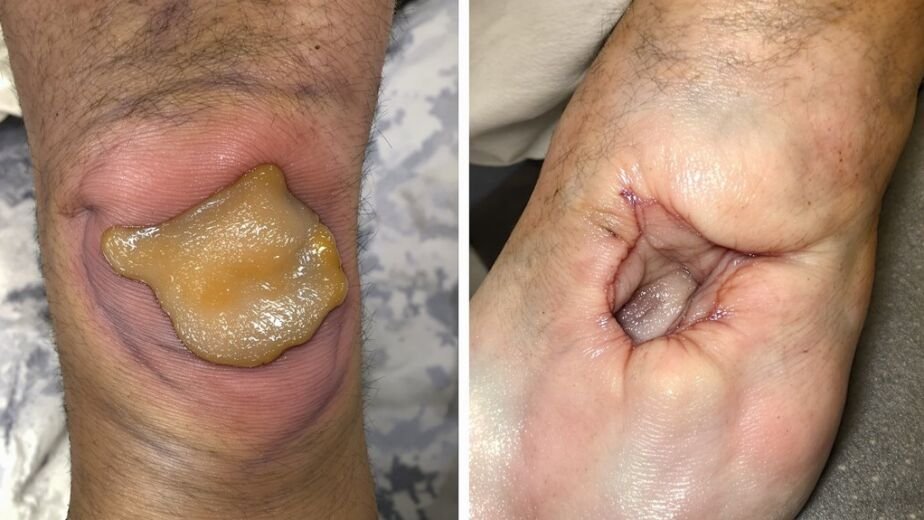
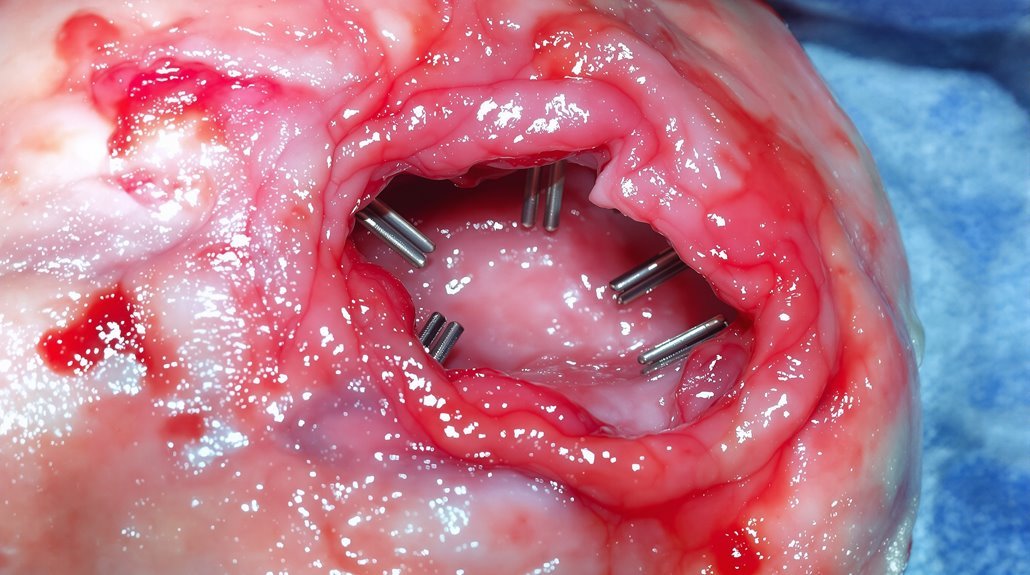
After surgery, you’ll want to carefully monitor your incision closely during the first week. Watch for spreading redness, increased swelling, and heightened pain around the wound site. Thick, foul-smelling pus drainage, fever over 101°F, and chills signal serious infection risk. If your incision feels warm to the touch or begins opening, contact your healthcare provider immediately. Catching these symptoms early prevents serious complications. Risk factors and prevention strategies both greatly impact your recovery.
Key Takeaways
- Monitor spreading redness, increased swelling, and heightened pain around the surgical incision site.
- Thick, cloudy, or foul-smelling pus discharge from the incision indicates active bacterial infection.
- Fever above 101°F with chills suggests systemic infection requiring immediate medical evaluation.
- Increased warmth to touch or opening of the incision requires urgent medical attention.
- Persistent or worsening pain despite following post-operative care instructions warrants healthcare provider contact.
Understanding Surgical Wound Infections
When you develop an infection at your surgical incision site within 30 days of having surgery, you’re experiencing a surgical site infection (SSI). These surgical wound infections affect about 2-5% of surgeries requiring incisions. Understanding the signs of an infection helps you catch problems early.
Surgical site infections affect 2-5% of surgeries. Understanding the signs helps you catch problems early.
SSIs fall into three classifications: superficial, deep incisional, and organ or space infections, with superficial being most prevalent. Your risk factors include prolonged surgery duration, older age, diabetes, obesity, and pre-existing medical conditions.
Symptoms typically appear 3 to 7 days post-surgery and include redness, increased pain, pus discharge, fever over 101°F, and chills.
Early diagnosis and collaboration with your care team are essential for treatment. Recognizing warning signs enables prompt intervention, preventing serious complications like septicemia that threaten recovery.
Early Warning Signs and Symptoms
Recognizing your body’s warning signals in the days after surgery is essential for catching infections early.
Watch your incision area closely during the first week post-op, as most surgical site infections emerge within 3 to 7 days. You should carefully monitor for symptoms including redness that spreads from your wound, increased swelling, and escalating pain—these don’t indicate normal healing.
Discharge from the surgical wound, especially thick pus with a distinctly foul odor, signals active infection. A fever greater than 101 degrees and chills are systemic signs you shouldn’t ignore.
Additionally, notice if your incision feels warm to the touch or begins opening. Early detection of these signs and symptoms allows you to seek intervention promptly, preventing serious complications like abscess or sepsis developing.
Risk Factors for Post-Operative Infections
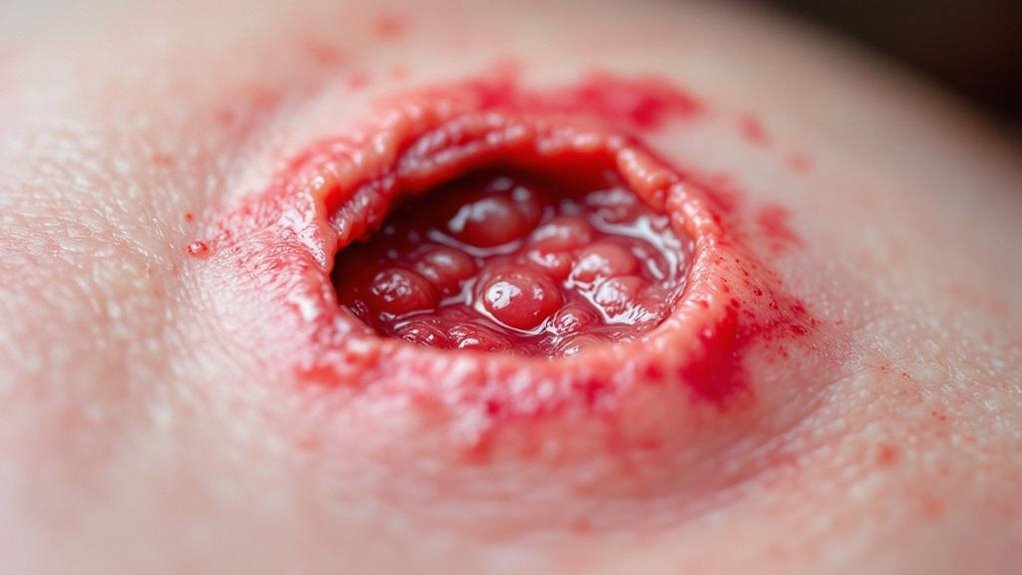
Your post-operative wound infection risk stems from multiple interconnected factors that span your health status and your surgery’s specifics.
Patient factors greatly influence your surgical site infections risk profile. Your immune system’s strength, age, and chronic conditions like diabetes or obesity increase vulnerability markedly. Smoking impairs your recovery and heightens infection likelihood considerably.
Surgical procedure characteristics matter equally important. Operations lasting more than two hours, emergency surgeries, and abdominal procedures elevate your post-operative infections risk considerably. Your wound classification—whether clean, clean-contaminated, contaminated, or dirty—directly determines infection susceptibility.
Understanding these risk factors empowers you to optimize your recovery. Discuss preoperative modifications with your healthcare provider, including smoking cessation and blood sugar control, to reduce infection symptoms development and support your healing process successfully.
When to Contact Your Healthcare Provider
Equipped with knowledge of your infection risk factors, you’re now ready to identify the symptoms that warrant professional evaluation.
Contact your doctor immediately if you notice increased redness, swelling, or warmth around your surgical site that progressively worsens over time. Report any fever over 101°F or accompanying chills, as these signs suggest a systemic infection requiring prompt medical evaluation.
Don’t delay if you observe thick, cloudy, or foul-smelling discharge from your incision site—these are classic signs or symptoms of surgical site infections requiring immediate treatment.
If your incision site appears to be opening or deepening, seek immediate medical attention to prevent further complications.
Persistent or worsening pain around the surgical site despite following post-operative care instructions demands a consultation with your healthcare provider.
Prevention Strategies and Wound Care
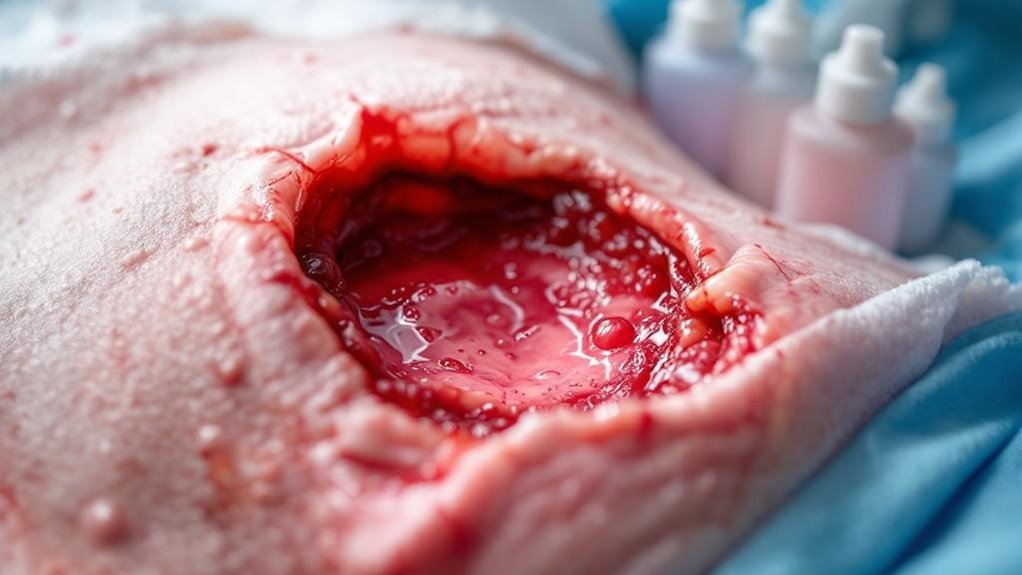
While infection prevention begins before surgery, your responsibility for maintaining a healthy wound continues through your recovery.
You’ll take care of your surgical incision by keeping it clean and dry until your surgeon clears it for water exposure. Maintain strict hygiene by washing your hands frequently and avoiding touching your wound unnecessarily.
Don’t smoke—cessation both before and after surgery greatly reduces infection risk and supports proper healing. Your surgical team may prescribe prophylactic antibiotics to lower infection likelihood, so take them as directed.
Don’t smoke—cessation before and after surgery greatly reduces infection risk and supports proper healing.
Follow pre-operative instructions like bathing with antibacterial soap to minimize bacteria. Watch for early signs of infection and report any concerns immediately to your healthcare provider.
Conclusion
You’ve learned that post-operative infections don’t happen often—only 2-3 out of 100 surgical patients develop them. By watching for warning signs like redness, drainage, and fever within the first 30 days, you’ll catch problems early. You’ve definitely got the power to prevent infections by keeping your wound clean, washing your hands frequently, and following your surgeon’s care instructions closely. Don’t hesitate to contact your healthcare provider immediately if anything seems off with your incision.