The best wound care products depend on your wound’s type and drainage level. For minor injuries, you’ll need antibiotic ointments like Neosporin and protective barriers such as Aquaphor. Chronic wounds with heavy drainage require foam or alginate dressings, while dry wounds benefit from hydrogel dressings that maintain moisture. Hydrocolloid dressings work well for minor burns and blisters, requiring fewer changes. You should also support healing internally through adequate protein intake and vitamins A and C. The following sections break down specific product categories and selection criteria to match your particular situation.
Key Takeaways
- Hydrocolloid dressings maintain moisture for minor burns and blisters while requiring fewer changes than traditional bandages.
- Foam and alginate dressings effectively manage heavily draining wounds by absorbing excess exudate and preventing maceration.
- Antimicrobial products like Neosporin prevent infections in cuts and abrasions, especially for contaminated or infection-prone wounds.
- Hydrogel dressings provide cooling relief and hydration for dry wounds, promoting a moist healing environment.
- Product selection depends on wound type, drainage level, and infection risk; consult healthcare providers for personalized recommendations.
Why Proper Wound Care Matters
Because untreated wounds can rapidly escalate into serious complications, proper wound care isn’t optional—it’s essential. When you understand wound management, you’re equipped to prevent infections that derail the healing process. A moist healing environment accelerates recovery while minimizing scarring—outcomes that matter when serving others.
Proper wound care isn’t optional—it’s essential. Moist healing environments accelerate recovery and minimize scarring.
Your commitment to proper techniques in home wound care rivals professional visits. Regular handwashing before dressing changes protects against harmful bacteria, while choosing appropriate products keeps wounds clean.
By reducing pain through effective skin care practices, you enhance patient comfort and promote better adherence to treatment plans. A healthcare provider can guide product selection, but your diligence prevents complications that might otherwise require emergency intervention.
Timely wound management transforms minor injuries from potential health crises into manageable recoveries.
The Role of Nutrition in Wound Healing
While wound care products address external healing, your body’s internal resources determine how effectively tissues repair themselves. Adequate protein intake supports collagen production and tissue repair—consider protein shakes or nutritional supplements like Juven, which combines arginine, glutamine, and collagen protein for enhanced healing support.
Micronutrients play equally critical roles. Vitamins A and C, along with zinc, strengthen immune response and accelerate wound healing. Probiotics can further improve collagen synthesis while reducing inflammation during tissue regeneration.
Patients with chronic wounds or undernourishment require tailored interventions to meet elevated protein and calorie demands. A balanced diet rich in these essential nutrients provides the foundation for ideal recovery, particularly when caring for those whose healing capacity is compromised by nutritional deficits or persistent wound conditions.
Essential Topical Treatments
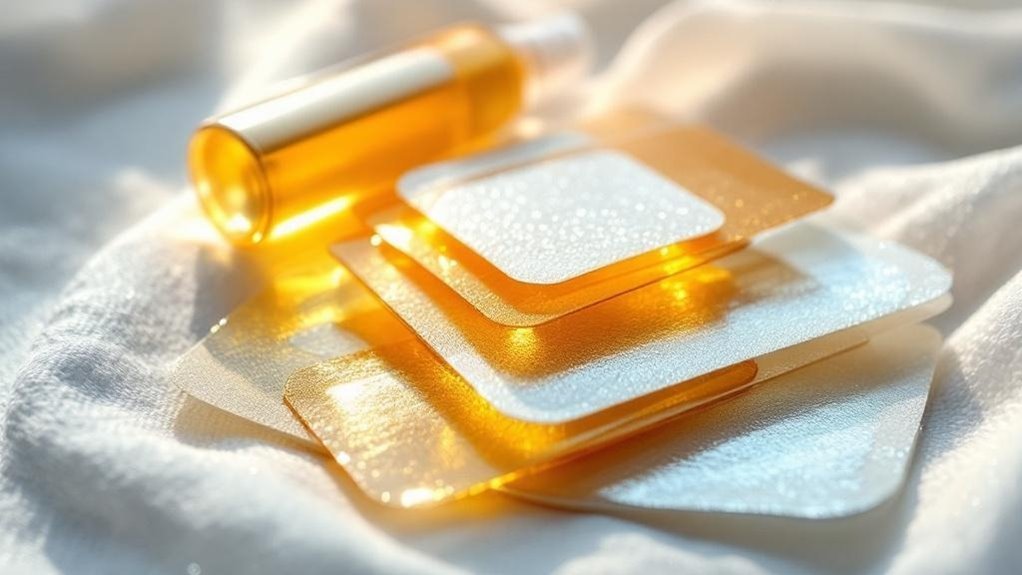
Once your body receives the proper nutrients to support healing from within, topical treatments work externally to protect wounds and accelerate recovery. You’ll need different products depending on the wound type and healing stage.
| Product Type | Key Benefits | Best Used For |
|---|---|---|
| Aquaphor Healing Ointment | Creates protective barrier, healing without complications | Minor cuts, scrapes, burns |
| Vashe Wound Cleanser | Antimicrobial properties through HOCl, promotes moist environment | Wound cleansing, odor control |
| Neosporin | Prevent infections, reduce pain | Bacterial protection |
| Hydrocolloid dressings | Maintain moist environment, fewer changes needed | Extended wound coverage |
| Silicone gel sheets | Flatten scars, soften tissue | Post-surgical wounds |
Select products that protect the wound while supporting natural healing processes. Hydrocolloid dressings excel at creating ideal moisture levels, while antiseptic ointments prevent infections in fresh injuries.
Wound Dressing Options Explained
Choosing the right wound dressing directly impacts healing speed and comfort levels.
Hydrocolloid dressings maintain a moist environment ideal for minor burns and blisters, remaining intact for days.
For chronic wounds with moderate to heavy drainage, foam dressings provide superior absorbent properties while insulating the area.
Alginate dressings excel with deep, bleeding wounds due to their exceptional absorbency derived from seaweed.
Hydrogel dressings deliver cooling relief for dry wounds and abrasions, supporting the healing process through moisture retention.
Transparent films enable monitoring the wound without removal, making them perfect for Stage 1 pressure ulcers while blocking external contaminants.
Selecting appropriate wound dressings based on exudate levels and wound characteristics guarantees ideal healing outcomes for those you’re caring for.
Choosing the Right Product for Your Needs

How do you determine which wound care product will deliver the best results for a specific injury? Proper wound management begins with evaluating wound type and drainage level.
For chronic wounds requiring a moist environment, hydrogel dressings provide essential hydration, while alginate and foam dressings absorb heavy exudate. Dressing selection should consider antimicrobial properties when infection risks exist—silver dressings offer protection for compromised wounds.
Advanced wound care products like hydrocolloids suit minor burns, whereas transparent films work effectively for Stage 1 pressure ulcers.
Evaluate moisture balance carefully: dry wounds need hydrating solutions, while heavily draining wounds require absorbent materials. These evidence-based choices support healing and preventing complications.
Always consult healthcare providers for personalized recommendations, particularly with non-healing wounds, ensuring your patients receive ideal care tailored to their specific needs.
Conclusion
You’ll achieve ideal wound healing by combining proper nutrition with evidence-based topical treatments and appropriate dressings. When selecting products, you should consider wound type, drainage level, and infection risk. Don’t hesitate to consult healthcare professionals if you’re experiencing delayed healing, increased pain, or signs of infection. Remember, what works best varies by individual circumstances—there’s no one-size-fits-all solution. You’re investing in your recovery by making informed decisions about wound care products.