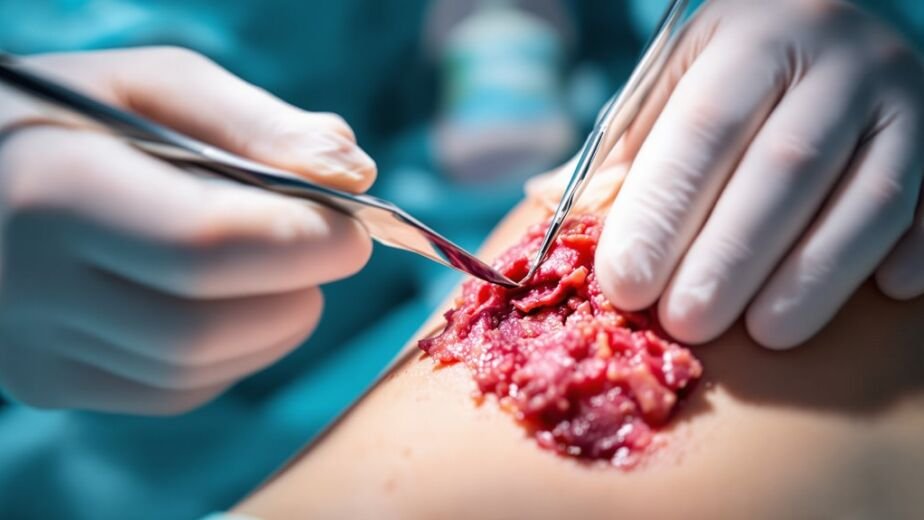
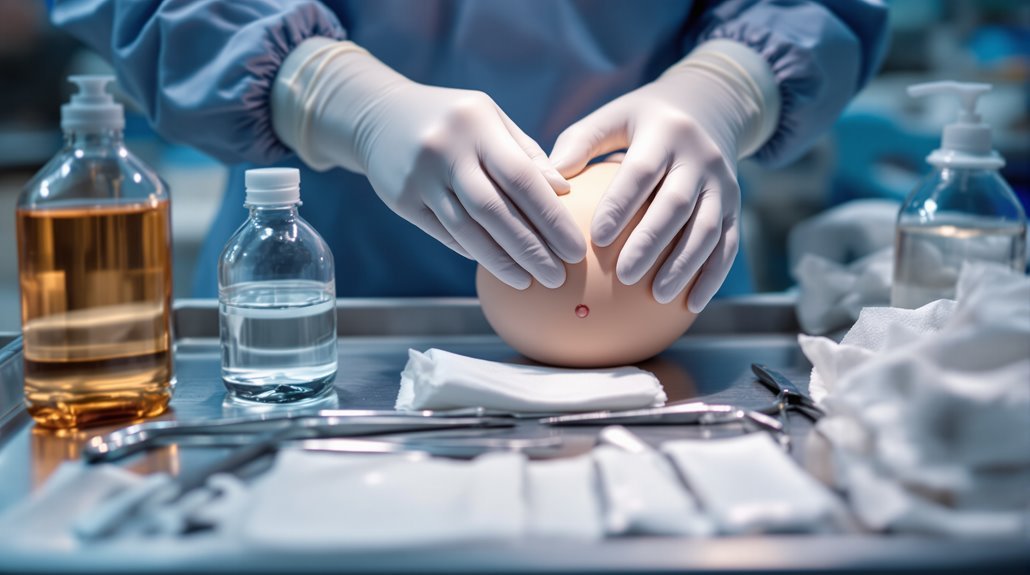
Prevent wound infections by washing your hands thoroughly for 20 seconds before and after wound care—this alone reduces infection risk by 50%. Clean the wound immediately with running water or saline, avoid hydrogen peroxide, and apply antibiotic ointment. Cover with a sterile dressing and monitor daily for increasing redness, warmth, swelling, or pus. If you notice red streaks, fever, or worsening pain, seek medical attention immediately. The following detailed guide outlines critical protocols that’ll protect you from potentially serious complications.
Key Takeaways
- Wash hands with antibacterial soap for 20 seconds before and after wound care to reduce infection risk by 50%.
- Irrigate wounds with clean water or saline, then apply antibiotic ointment to maintain moisture and promote healing.
- Monitor wounds daily for increasing redness, warmth, swelling, pus, or red streaks indicating infection requiring immediate medical attention.
- Change dressings regularly to keep wounds clean and dry while documenting any changes in appearance or pain levels.
- Seek early medical intervention for deep wounds, bite injuries, or if you have diabetes or immunosuppression conditions.
Understanding Wound Infections and Their Causes
Wound infections develop when pathogenic microorganisms breach the skin’s protective barrier and multiply within damaged tissue. You’ll encounter Staphylococcus aureus and Escherichia coli as primary culprits in most wound infections.
Understanding risk factors enables you to provide better patient education and implement proper wound care protocols. Deep or jagged wounds from contaminated objects present elevated risk of infection, requiring heightened vigilance.
Deep or contaminated wounds require immediate attention and meticulous care protocols to prevent serious infectious complications.
Bite wounds demand particular attention, as oral bacteria rapidly colonize injured tissue. You must assess patients for comorbidities—diabetes, immunosuppression, and inadequate hygiene—that compromise healing capacity.
Recognize signs of infection promptly: progressive erythema, edema, warmth, purulent drainage, and systemic manifestations including fever. Early identification allows timely intervention, preventing complications that jeopardize patient outcomes and extend recovery periods.
Recognizing the Warning Signs of Infection
Early detection determines treatment success and patient outcomes.
You’ll need to monitor wounds systematically for infection indicators. Watch for increasing redness, warmth, and swelling around the affected area—these signal an inflammatory response requiring intervention. Green or yellow pus discharge with foul odor definitively indicates an infected wound.
You must seek medical attention immediately if patients develop persistent, worsening pain accompanied by fever or chills, as these systemic symptoms suggest spreading infection. Red streaks extending from the wound constitute a medical emergency.
Document changes in wound appearance, including increased drainage or unusual discharge patterns. These observations enable early infection identification, preventing complications that compromise wound healing.
Your vigilant assessment protects patients from progression to serious conditions requiring aggressive treatment protocols.
Proper Hand Hygiene Before Wound Care
Hand hygiene represents your most effective defense against introducing pathogens into vulnerable wound sites.
Hand hygiene stands as your primary barrier preventing harmful pathogens from entering open wounds and causing serious infections.
You’ll prevent wound infections most effectively by washing your hands with warm water and antibacterial soap for at least 20 seconds before providing medical care. This protocol reduces infection risk by up to 50%.
After thorough washing, dry your hands completely with a clean towel—wet hands harbor bacteria that compromise your infection control efforts.
Proper hand hygiene must occur both before and after handling dressings or touching wounds to prevent cross-contamination.
Your commitment to meticulous handwashing protects those you serve from preventable complications.
Effective Wound Cleaning Techniques
Once you’ve completed proper hand hygiene, you’ll need to irrigate the wound with clean, running water or saline solution to remove debris and reduce bacterial load. Tap water proves equally effective as sterile saline for wounds treated at home. Cleanse surrounding skin with mild soap and water before applying treatment.
| Avoid | Use Instead | Rationale |
|---|---|---|
| Hydrogen peroxide | Clean water irrigation | Damages healthy tissue |
| Iodine in wound | Antibiotic ointments | Delays healing process |
| Dry wound environment | Ideal moisture products | Promotes tissue repair |
Apply petroleum jelly or antibiotic ointments in thin layers to maintain ideal moisture. Cover with sterile dressings, changing regularly while monitoring for infection signs. Contact a wound care center if complications arise or healing stalls.
Appropriate Dressing and Bandaging Methods
After cleaning your wound thoroughly, proper dressing selection and application will protect the injury while supporting tissue regeneration.
Choose appropriate dressing materials that maintain a moist wound environment, which research demonstrates accelerates healing rates. Non-stick dressings minimize tissue trauma during changes, preventing further damage.
Implement these evidence-based bandaging methods: change dressings daily or when soiled to reduce infection risk.
Secure dressings with adhesive tape that’s snug but not constrictive, as excessive tension impairs circulation. Monitor continuously for infection indicators including increased redness, warmth, or drainage.
Your vigilant oversight guarantees ideal healing conditions for those you’re caring for.
If infection signs develop, seek immediate medical evaluation.
These protocol-driven techniques provide the foundation for effective wound management and infection prevention in clinical practice.
Daily Wound Monitoring and Maintenance
While proper dressing application establishes initial wound protection, systematic daily monitoring detects complications before they escalate into serious infections. You’ll need to inspect wounds for increased redness, warmth, swelling, or discharge—critical indicators requiring immediate intervention. Maintain clean conditions by washing hands thoroughly and using sterile instruments during assessments.
| Assessment Focus | Action Protocol |
|---|---|
| Infection signs | Document redness, warmth, drainage characteristics |
| Pain levels | Note persistent or worsening discomfort patterns |
| Healing progress | Measure wound dimensions, tissue appearance changes |
Change dressings regularly to keep the wound clean and dry. When you observe abnormal symptoms, apply topical antibiotics as indicated or escalate to medical professionals. This disciplined approach to daily monitoring guarantees ideal healing outcomes while preventing infection-related complications that compromise patient recovery.
When to Seek Professional Medical Attention
Despite diligent home care, certain wound conditions demand immediate professional evaluation to prevent life-threatening complications. You must seek professional medical attention when observing signs of infection: increased redness, warmth, swelling, or purulent drainage.
Persistent pain that intensifies rather than improves requires immediate assessment, particularly when accompanied by fever or chills.
Complex wounds—those that are deep, contaminated, or inadequately cleaned—necessitate professional intervention to prevent antibiotic resistance through appropriate antimicrobial selection.
If you’re caring for patients with diabetes or immunocompromised conditions, any infection indicators warrant urgent evaluation.
Verify tetanus immunization status for deep or contaminated injuries; vaccination is essential if the last dose exceeded five years.
Your vigilant recognition of these clinical parameters protects vulnerable populations from preventable complications.
Special Considerations for High-Risk Patients
High-risk patients require intensified wound care protocols that address their underlying vulnerabilities and compensatory physiological deficits.
Compromised patients demand heightened wound management strategies that directly target their biological weaknesses and impaired healing capacities.
If you’re caring for diabetic patients, monitor circulation meticulously—even minor cuts can progress to severe infections when blood flow’s compromised. You’ll need to implement sterile techniques consistently, as immunocompromised individuals lack robust defense mechanisms against pathogens.
When a wound is deep or shows delayed healing, seek expert opinion immediately rather than waiting for obvious infection signs. You must schedule regular follow-ups to detect complications early.
Maintain scrupulous environmental hygiene, as high-risk patients can’t tolerate contamination exposure that healthy individuals might resist. Your vigilance in documentation and assessment becomes their primary safeguard against preventable infectious complications that could otherwise prove devastating.
Advanced Treatment Options for Infected Wounds
When standard wound care fails to resolve infection, you’ll need to escalate to advanced interventions that target both the pathogenic burden and the underlying tissue compromise. Wound debridement remains the cornerstone of advanced treatment, surgically removing necrotic tissue to eliminate bacterial reservoirs. You’ll complement this with appropriate antibiotic therapy—topical antibiotics for superficial infections or IV formulations for deep tissue involvement.
| Intervention | Application | Primary Benefit |
|---|---|---|
| Surgical Debridement | Removal of devitalized tissue | Eliminates infection source |
| IV Antibiotics | Systemic infections | Treats deep tissue involvement |
| Hyperbaric Oxygen | Chronic wounds | Enhances cellular repair |
Consider hyperbaric oxygen therapy for refractory cases, as increased tissue oxygenation accelerates healing while combating anaerobic pathogens. Specialized dressings maintain ideal moisture balance throughout recovery.
Conclusion
You’ll prevent most wound infections by maintaining strict hand hygiene, cleaning wounds properly with sterile saline, applying appropriate dressings, and monitoring daily for infection signs. Don’t ignore warning symptoms like increased redness, warmth, purulent drainage, or fever—seek immediate medical attention. If you’re immunocompromised, diabetic, or managing chronic wounds, you’ll need heightened vigilance and earlier clinical intervention. Evidence-based protocols aren’t optional; they’re your foundation for ideal wound healing and infection prevention.