
Wound Care FAQs
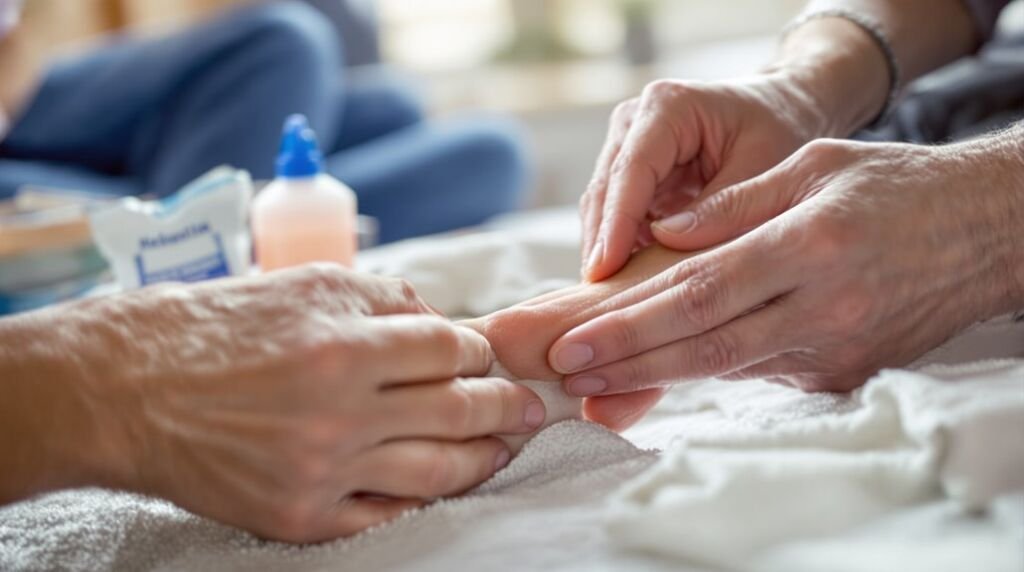
Comprehensive Q&A Resource
Expert answers to the most commonly asked wound care questions. Whether you’re managing a chronic wound, recovering from surgery, or seeking prevention strategies, find trusted guidance from Elite Home Wound Care’s clinical team.
Table of Contents
GENERAL WOUND CARE
Frequently Asked Questions
A: Wound care is the professional management and treatment of injuries, surgical incisions, or chronic wounds. It includes assessment, cleaning, dressing, infection prevention, pain management, education, and ongoing monitoring to optimize healing. Professional wound care uses evidence-based techniques, advanced dressings, and clinical expertise to prevent complications and accelerate recovery.
A: Professional wound care is recommended for:
- Diabetic ulcers or foot wounds
- Pressure sores (bedsores)
- Surgical incisions with drainage or complications
- Venous or arterial leg ulcers
- Chronic, non-healing wounds (>30 days)
- Infected or at-risk wounds
- Burns or trauma wounds
- Post-operative wounds
- Wounds with drainage, odor, or delayed healing
Even small wounds can be serious in patients with diabetes, vascular disease, or immune compromise.
A: Yes. Many wounds—including diabetic, pressure, surgical, and chronic ulcers—can be effectively managed at home with professional nursing care. In-home wound care brings sterile technique, advanced dressings, clinical monitoring, and education to your residence, often resulting in faster healing and reduced infection risk compared to clinic visits.
A: Professional wound care offers:
- Expert assessment identifying wound type, stage, and risk factors
- Sterile technique preventing infection
- Advanced dressings optimizing the healing environment
- Infection monitoring catching complications early
- Physician coordination ensuring multidisciplinary care
- Patient education teaching prevention and self-care
- Pain management improving comfort during recovery
- Insurance coordination reducing costs and paperwork
Studies show professional wound care significantly reduces infection, hospitalization, and healing time.
WOUND HEALING & TIMELINE
Wound Healing FAQ
A: Healing timelines vary widely:
- Simple acute wounds (cuts, minor surgical incisions): 1–3 weeks
- Moderate surgical wounds: 3–8 weeks
- Chronic diabetic or pressure ulcers: 8–16+ weeks (or longer)
- Venous leg ulcers: 3–6 months with proper compression and care
Professional care significantly accelerates healing. Without expert management, chronic wounds may take months or never fully heal.
A: There are four overlapping stages:
- Hemostasis (0–minutes): Blood clots form to stop bleeding.
- Inflammatory Phase (0–4 days): Body removes debris and prevents infection; swelling and redness are normal.
- Proliferative Phase (4–21 days): New tissue forms; wound shrinks; healthy pink or red tissue appears.
- Remodeling Phase (3 weeks–2 years): Scar tissue matures; wound strengthens.
Professional monitoring ensures each phase progresses normally and interventions are adjusted as needed.
A: Delayed healing is often caused by:
- Poor circulation (vascular disease, diabetes)
- High blood sugar (in diabetics)
- Infection
- Poor nutrition or hydration
- Smoking
- Stress or poor sleep
- Certain medications
- Age or chronic illness
- Inappropriate wound care
- Pressure or movement on the wound
Professional wound care addresses underlying causes and optimizes conditions for faster healing.
DRESSINGS & WOUND MANAGEMENT
Wound Dressings FAQ
A: A moist wound environment means the wound bed stays slightly wet (not dry, not soggy) with appropriate exudate (fluid). Research shows moist wounds heal 25–50% faster than dry wounds because:
- Cells migrate faster across the wound bed
- Collagen forms more efficiently
- Infection risk decreases
- Pain decreases
- Scabbing (which delays healing) is prevented
Modern dressings maintain this optimal moisture balance.
A: Common dressing types include:
| Dressing Type | Best For | Why Use It |
|---|---|---|
| Gauze | Minor wounds, frequent dressing changes | Affordable, breathable |
| Foam | Moderate to heavy drainage | Absorbs fluid, maintains moisture |
| Hydrocolloid | Light to moderate drainage, pressure ulcers | Forms gel, protects wound |
| Alginate | Heavy drainage, deep wounds | Absorbs up to 20x its weight |
| Silicone | Sensitive skin, fragile wounds | Gentle, non-irritating |
| Negative Pressure | Complex wounds, surgical sites | Removes fluid, promotes healing |
| Hydrogel | Dry wounds, burns | Adds moisture, eases pain |
| Skin Substitutes | Large, chronic ulcers | Bioengineered tissue support |
Your nurse will select the best dressing based on wound type, drainage, and healing phase.
A: Dressing change frequency depends on:
- Wound type and size
- Drainage amount
- Dressing type (some absorb more fluid and last longer)
- Infection status
- Healthcare provider's order
Typical schedules: daily for surgical wounds, 2–3 times weekly for chronic wounds, or when saturated (whichever comes first). Your nurse will provide specific instructions.
A: No. Modern wound care research shows air-drying delays healing. Wounds should be kept moist (not wet) with appropriate dressings. Dry wounds form scabs, which slow epithelialization (new skin formation) and can trap bacteria underneath.
Exception: Once a surgical incision is fully closed (typically 24–48 hours post-op), air exposure may be acceptable per your surgeon's instructions.
A: It depends on wound type and healing stage:
- Most acute surgical wounds can tolerate gentle water exposure after 24–48 hours
- Chronic wounds should be protected with waterproof dressings during bathing
- Never let tap water or dirty water directly contact open wounds
- Always follow your nurse or surgeon's specific instructions
Ask your care team before bathing.
INFECTION PREVENTION & SIGNS
Wound Infection FAQ
A: Watch for:
- Increased redness spreading from wound edge
- Warmth around the wound
- Swelling or puffiness increasing
- Odor (foul or unusual smell)
- Pus or unusual drainage (yellow, green, brown)
- Pain increasing (especially if it was improving)
- Fever (>100.4°F / 38°C)
- Red streaking from wound up the limb
- Wound edges separating
Call your nurse or doctor immediately if you notice any of these.
A: Common causes:
- Bacteria exposure during injury or surgery
- Poor wound care or non-sterile technique
- Contaminated dressings
- Poor circulation reducing immune response
- Diabetes impairing wound healing
- Weakened immune system
- Foreign objects in the wound (debris)
- Patient touching contaminated wound
Professional wound care with sterile technique and monitoring prevents most infections.
A:
- Call your wound care provider or doctor immediately (don't wait)
- Do not try to treat it yourself with home remedies
- Keep the wound clean but do not apply hydrogen peroxide or betadine (they kill healthy cells)
- Change dressings as instructed
- Take any prescribed antibiotics as directed
- Monitor for fever, chills, or spreading redness
Early intervention prevents serious complications like cellulitis, sepsis, or amputation.
A: No. Current clinical evidence shows these solutions kill healthy cells and slow healing. They're not recommended for wound care by major health organizations (CDC, wound care societies).
Safe cleaning agents:
- Sterile normal saline (0.9%)
- Tap water (for minor wounds without signs of infection)
- Doctor-prescribed topical cleaners
Your nurse will use appropriate, evidence-based products.
DIABETIC WOUND CARE
Diabetic Wound Care FAQ
A: Diabetes increases wound risk through:
- Neuropathy (nerve damage): Reduces sensation, so injuries go unnoticed until serious
- Poor circulation: High blood sugar damages blood vessels, reducing oxygen and immune cells reaching wounds
- Impaired immune function: High blood sugar weakens infection-fighting ability
- Slower healing: Excess glucose interferes with wound healing mechanisms
- Skin fragility: Diabetes causes dry, fragile skin prone to breakdown
A: Daily. People with diabetes should:
- Inspect feet every day for cuts, blisters, redness, swelling, or discoloration
- Check between toes and under feet (use a mirror)
- Feel for temperature changes
- Report even small injuries to their provider immediately
- Wear appropriate footwear (cushioned, protective)
Early detection of small injuries can prevent serious complications.
A: Yes, largely. Prevention includes:
- Tight blood sugar control (most important)
- Daily foot inspections
- Proper footwear (cushioned, non-restrictive)
- Daily foot washing and drying (especially between toes)
- Moisturizing (but not between toes)
- Professional foot care (regular podiatry visits)
- Smoking cessation
- Keeping moving (activity improves circulation)
- Addressing circulation problems
Many ulcers can be prevented with diligent self-care and medical management.
A: With proper care:
- Small, early ulcers: 4–12 weeks
- Moderate ulcers: 3–6 months
- Large or complex ulcers: 6–12+ months (or may require surgery)
Without professional care, diabetic ulcers may persist for years or worsen. Early intervention with skilled nursing dramatically improves outcomes.
PRESSURE ULCERS & BED SORES
Pressure Ulcers (Bed Sores) FAQ
A: Pressure ulcers form when:
- Prolonged pressure on skin (>2–3 hours) cuts off blood flow
- Skin and tissue break down due to lack of oxygen
- Risk increases with immobility, aging, poor nutrition, diabetes, obesity, or moisture on skin
- They most commonly develop on: heels, tailbone, hips, elbows, and shoulder blades
A: Yes, largely. Prevention strategies include:
- Turn and reposition every 2 hours (if bedridden)
- Use pressure-relieving devices: special mattresses, cushions, foam pads
- Keep skin clean and dry
- Maintain good nutrition (protein, vitamins)
- Stay active if possible
- Massage surrounding skin (not directly on reddened areas)
- Monitor high-risk areas daily
- Manage moisture (sweat, incontinence)
Most pressure ulcers are preventable with proper care.
A:
- Stage I & II (skin redness, shallow sores): Often heal at home with proper care
- Stage III & IV (deep tissue damage): Require advanced professional wound care; may need specialist referral or surgery
Early detection and intervention prevent progression to serious stages.
A:
- Stage I: Days to weeks
- Stage II: Weeks to months
- Stage III & IV: Months to years (depending on size, depth, care)
Advanced ulcers may never fully heal without intervention; professional care accelerates healing significantly.
SURGICAL WOUND CARE
Surgical Wound Care FAQ
A: Ask your surgeon. General guidelines:
- First 24–48 hours: Keep dry; don't shower unless approved
- After 48 hours: Many surgeons allow gentle washing with mild soap and water
- Avoid scrubbing the incision
- Pat dry gently (don't rub)
- Never let water spray directly on the wound
Follow your surgeon's specific post-op instructions.
A: Signs of surgical site infection:
- Increased warmth at the site
- Redness spreading from incision
- Pus, yellow or green drainage
- Foul odor
- Fever (>101°F)
- Swelling increasing after initial days
- Wound edges separating (dehiscence)
- Increased pain
Call your surgeon immediately if you notice these.
A: Removal timing depends on location and wound type:
- Face/scalp: 5–7 days
- Scalp/trunk: 7–10 days
- Extremities/joints: 10–14 days
- High-tension areas: Up to 21 days
Your surgeon will advise when removal is safe. Removing too early increases infection risk; leaving in too long may cause scarring.
A: After 24–48 hours, sutures can typically get wet without increasing infection risk. However:
- Always follow your surgeon's specific instructions
- Don't submerge (bathing OK, swimming not until fully healed)
- Pat dry gently after
- Keep dressing clean if your surgeon recommended one
VENOUS LEG ULCERS
Venous Leg Ulcers FAQ
A: Venous leg ulcers result from:
- Faulty leg veins that don't pump blood efficiently back to the heart
- Blood pooling in legs, causing swelling and pressure
- Skin breakdown from prolonged swelling and poor oxygen delivery
- Chronic inflammation
Risk factors: age, family history, obesity, inactivity, blood clots, or previous leg injuries.
A: The underlying vein problem remains. Without ongoing compression therapy and vein treatment:
- Recurrence rates: 50–60% within one year
- Chronic management is needed
Long-term prevention requires: compression stockings, leg elevation, activity, and possibly vein procedures (like sclerotherapy or surgery).
A: With proper compression and wound care:
- 3–6 months is typical
- Without compression: May persist for years or worsen
Compression is the foundation of venous ulcer healing.
A: Compression therapy uses:
- Multi-layer bandages or compression stockings to apply graduated pressure
- Reduces swelling and improves circulation
- Prevents blood pooling
- Promotes healing
Compression is applied from ankle upward with increasing pressure. It's the most effective venous ulcer treatment and is a key component of professional home wound care.
WHEN TO CALL YOUR DOCTOR
When to Contact Your Wound Care Provider
A: Call immediately if you notice:
- Signs of infection (redness, warmth, pus, odor, fever)
- Increased pain (especially sudden onset)
- Wound getting larger despite treatment
- New drainage or change in drainage character
- Foul odor
- Wound edges separating
- Red streaking from wound up the limb
- Fever or chills
- Swelling increasing significantly
- Loss of sensation around wound
- Difficulty bearing weight (lower extremity)
Don't wait — early intervention prevents serious complications.
A: Ask your provider about:
- What type of wound do I have? (diagnosis)
- What caused it? (etiology)
- What are my treatment options? (all available therapies)
- How often should I change my dressing? (at home between visits)
- What supplies do I need? (equipment, dressings)
- How can I help my healing? (nutrition, activity, wound care)
- When will I see improvement? (expected timeline)
- What are signs of problems? (infection, complications)
- When do I need follow-up? (scheduling)
- Is my insurance covered? (financial/authorization)
INSURANCE & ACCESS TO CARE
Insurance & Access to Wound Care
A: Most insurances cover skilled in-home wound care if:
- Medically necessary (ordered by physician)
- Requires skilled nursing (RN or LPN)
- Patient is homebound or unable to travel
- Wound is complex or requires sterile technique
Coverage varies by insurance plan, diagnosis, geographic location, and medical necessity documentation. We verify benefits and assist with pre-authorization.
A: Yes. Medicare covers skilled home health wound care for beneficiaries who:
- Are homebound
- Have a physician order
- Require skilled nursing intervention
- Meet medical necessity criteria
Co-pays or deductibles may apply. Coverage details vary; ask your provider for specifics.
A: Options include:
- Insurance verification — we help maximize coverage
- Financial assistance programs — some agencies offer sliding scale fees
- Community health resources — local programs may help
- Hospital social work — can connect you to resources
Don't avoid care due to cost concerns — talk to your provider about options.
A: Steps:
- Get a physician order (from your doctor, surgeon, or podiatrist)
- Contact a home health agency (call Elite Home Wound Care)
- Schedule an intake visit (assessment and care plan)
- Begin treatment (typically within 24–48 hours)
We handle insurance verification and pre-authorization.