
Wound Care Learning Center & Educational Resources Hub
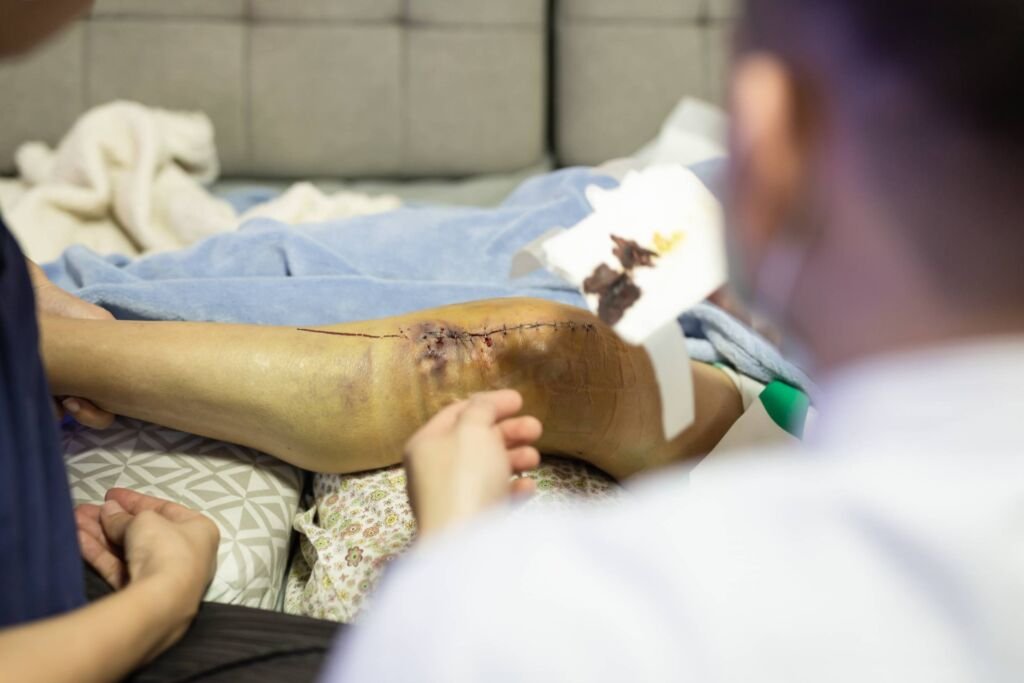
Your Complete Guide to Wound Healing & Prevention
Welcome to Elite Home Wound Care’s comprehensive educational hub. Whether you’re recovering from surgery, managing a chronic wound, or seeking prevention strategies, our learning center provides expert-backed information, practical tips, resources, and evidence-based guidance—all designed to empower you and your family on the healing journey.
Conditions Treated by Mobile Wound Care Nurses
Educational Pillars of Wound Care
Our learning center is organized around six core pillars of effective wound management:
-
Understanding Your Wound: Assessment & Diagnosis
- What wound types require professional care?
- How do nurses assess wounds?
- Diabetic foot wounds: Signs, stages, and intervention
- Pressure ulcers explained: Stages I–IV
- Venous leg ulcers: Causes, symptoms, and healing
- Surgical incisions: Normal healing vs. complications
- Chronic wounds: Why some wounds don't heal
-
Wound Care Basics: Cleaning, Dressing & Debridement
- Moist wound environment: Why it matters
- Dressing types: Foam, hydrocolloid, alginate, and more
- Infection control: Sterile technique at home
- Debridement: Removing dead tissue safely
- Biofilm management: The hidden wound barrier
- pH management and wound healing
- Daily wound care routine for patients
-
Infection Prevention & Management
- Early warning signs of wound infection
- NERDS and STONEES: Infection assessment tools
- Antibiotic dressings and topical therapies
- When to call your nurse or doctor
- Cellulitis and sepsis: Serious complications
- Prevention through hygiene and monitoring
-
Controlling Underlying Health Conditions
- Diabetes management for faster healing
- Blood sugar control and wound healing
- Vascular health and circulation
- Nutrition for wound healing
- Hydration and tissue regeneration
- Pain management during healing
-
Therapies & Advanced Treatments
- Compression therapy for venous ulcers
- Negative pressure wound therapy (NPWT)
- Hyperbaric oxygen therapy (HBOT)
- Bioengineered skin substitutes
- Offloading devices for diabetic wounds
- Telehealth and at-home monitoring
- When referral to specialists is needed
-
Prevention & Long-Term Management
- Preventing wound recurrence
- Daily skin checks and foot care
- Proper footwear and support devices
- Compression stockings and management
- Lifestyle changes for lasting healing
- Family and caregiver education
- When to schedule follow-up care
Popular Blog Articles & Resources
Explore our expert-written wound care blog content:
Wound Care Learning Topics
Diabetic Foot Ulcers: Prevention and Home Care
Read MorePressure Sores 101: What Every Caregiver Should Know
Read MoreSigns Your Surgical Wound Needs Attention
Read MoreVenous Leg Ulcers: Compression & Healing
Read MoreInfection in Chronic Wounds: Identify & Respond
Read MoreNutrition for Faster Wound Healing
Read MoreAt-Home Wound Care: Daily Routines for Success
Read MoreComprehensive Wound Care Guide
Our Complete Guide to Modern Wound Care covers everything patients and families need to know:
Topics Inside
Wound assessment and staging
Types of wounds and when professional care is needed
Dressing changes and sterile technique
Infection prevention and recognition
Pain management strategies
Nutrition and hydration for healing
Family education and caregiver training
When to call your healthcare provider
Long-term prevention and maintenance
Patient Resources & Downloadable Tools
Resources & Guides
For Patients
Wound Care Daily Checklist
Signs of Infection Reference Card
Dressing Change Instructions (step-by-step)
Nutrition Guide for Wound Healing
Pain Management Tips
For Caregivers
Caregiver Wound Care Handbook
Communication Template for Healthcare Providers
Emergency Contact Guide
Mobility & Positioning Guide for Bed-Bound Patients
For Family
Understanding Your Loved One's Wound Care Plan
Questions to Ask Your Nurse
Home Safety Checklist
Common questions
Wound Care FAQs: Answers to Common Questions
Our team is available around the clock to answer any questions or concerns, and we ensure seamless communication with your primary care physician.
How long does it usually take for a wound to heal?
Healing varies by wound type, underlying health, and care quality. Acute wounds may heal in weeks; chronic wounds can take months or longer. Professional care speeds healing significantly.
When should I call a nurse if something seems wrong?
Call immediately if you notice: increasing redness or swelling, foul odor, fever (>100.4°F), pus or unusual drainage, wound getting larger, or new pain.
Can I shower with a wound?
Ask your nurse first. Some wounds can be gently cleaned with sterile water; others must be kept dry. Never let unsterile water or soap directly contact open wounds.
Why do diabetics get more foot wounds?
High blood sugar damages nerves (neuropathy) and blood vessels, reducing sensation and circulation. This means injuries go unnoticed and healing slows dramatically.
How often should diabetics check their feet?
Daily. Use a mirror to check bottoms of feet, between toes, and heels. Report any cuts, blisters, discoloration, or swelling immediately.
Can diabetic ulcers be prevented?
Yes! Control blood sugar, wear proper shoes, keep feet clean and dry, and get regular professional foot checks.
What's the difference between a pressure ulcer and a bed sore?
They're the same thing—pressure sores or decubitus ulcers. They form from prolonged pressure on skin.
Can pressure sores be prevented?
Yes. Regular turning (every 2 hours), special mattresses/cushions, keeping skin clean and dry, and proper nutrition greatly reduce risk.
What stage pressure ulcer can heal at home?
Early Stage I and II ulcers often heal at home with proper care. Stage III and IV require advanced professional wound management and may need specialist referral.
Why do venous ulcers keep coming back?
The underlying vein problem remains. Without ongoing compression therapy and vein treatment, recurrence risk is 50–60%.
How long does a venous ulcer take to heal?
With proper compression and care, 3–6 months is typical. Without it, they can persist for years.
When can I wash my surgical incision?
Ask your surgeon. Some allow gentle washing after 48 hours; others require specific timing and care. Never let water directly spray the wound until fully healed.
How do I know if my surgical incision is infected?
Signs include: increased warmth, redness spreading from incision, pus, foul odor, fever, or separation of wound edges. Contact your surgeon immediately.
What does a healthy wound look like?
Healthy wounds show: beefy red color, decreasing size, mild drainage (appropriate for wound type), no odor, and absence of redness/swelling around edges.
What does an infected wound look like?
Signs: bright red or dark discoloration, foul odor, green/yellow pus, expanding redness, warmth, pain, or swelling.
Wound Care Video Library
Expert Demonstrations
How to Perform a Daily Wound Check
Watch / Read MoreProper Dressing Change Technique
Watch / Read MoreInfection Prevention Tips
Watch / Read MoreCompression Bandaging for Venous Ulcers
Watch / Read MorePositioning for Pressure Relief
Watch / Read MorePatient Testimonials & Success Stories
See real patients share their healing journeys and recovery tips.
Visit video libraryExternal Authority Resources
Wound Care Resources
Government & Health Organizations
Clinical & Professional Organizations
Related Services & Specialized Care
For clinical wound care matched to your specific condition, explore our services:
Our Wound Care Services
In-Home Wound Care
Learn MoreDiabetic Wound Care Specialists
Learn MorePressure Ulcer Management
Learn MoreSurgical Wound Healing
Learn MoreVenous Leg Ulcer Therapy
Learn MoreChronic Wound Specialist
Learn MoreMobile Wound Care
Learn MoreNeed Professional Wound Care? Let's Get Started
For clinical wound care matched to your specific condition, explore our services:
Our Board-Certified Wound Specialists
Our board-certified wound specialists are ready to help you heal faster and safer at home.