
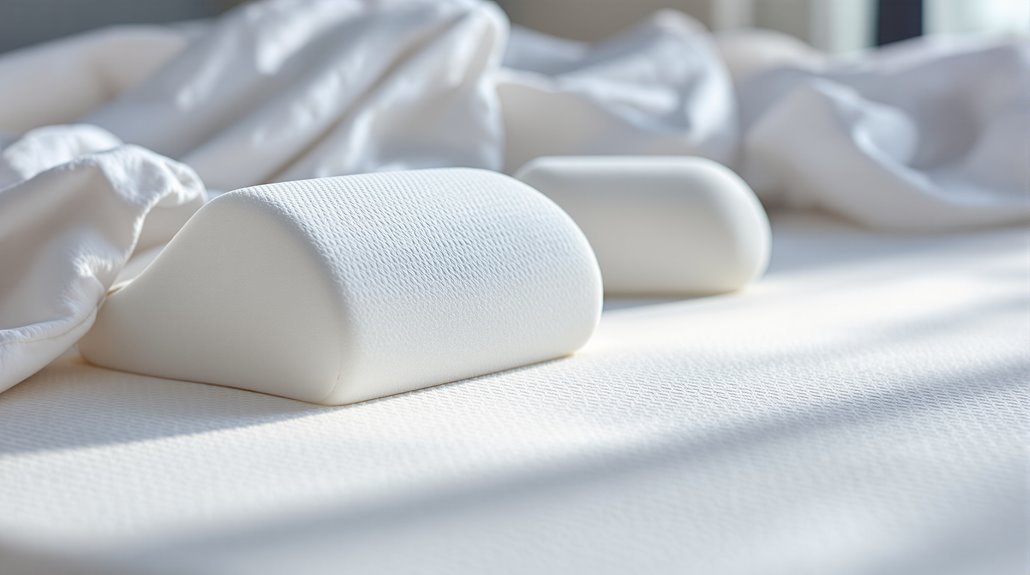
To prevent pressure injuries, you’ll need to perform pressure reliefs every 15-30 minutes for 30-90 seconds while sitting, and reposition your entire body every two hours when lying down. Focus on protecting high-risk areas like your sacrum, heels, and elbows using foam cushions and pillows to cushion bony prominences. Inspect your skin twice daily for non-blanching redness, which can develop within just two hours of sustained pressure. Maintain adequate hydration, eat a protein-rich diet, and avoid smoking to support skin integrity. The following sections provide thorough strategies for implementing these protective measures effectively.
Key Takeaways
- Perform pressure reliefs every 15-30 minutes for 30-90 seconds when sitting in a wheelchair to maintain blood flow.
- Reposition the entire body every two hours, using pillows or foam to cushion bony prominences like sacrum and heels.
- Use specialized foam cushions to protect high-risk pressure areas during prolonged sitting or lying down.
- Conduct systematic skin inspections twice daily, focusing on vulnerable zones including sacrum, coccyx, heels, and elbows.
- Maintain skin health through adequate hydration, protein-rich nutrition, regular movement, and avoiding smoking to support healing.
Understanding Pressure Injuries and Their Causes
When sustained pressure restricts blood flow to your skin and underlying tissues, the resulting oxygen deprivation can trigger a cascade of cellular damage within hours.
Pressure injuries, commonly called bedsores, develop when prolonged pressure compromises circulation, leading to tissue breakdown that can progress from reddened skin to deep, open wounds.
You’ll find certain risk factors greatly increase vulnerability: immobility, advanced age, diabetes, and extended wheelchair or bed confinement.
Remarkably, damage can begin within just two hours of sustained pressure. Early signs include non-blanching reddened areas that may advance to blisters and ulcers.
Understanding these mechanisms empowers you to implement effective preventive measures.
Regular repositioning, meticulous skin care, and recognizing early warning signs enable you to protect those under your care from these potentially devastating wounds.
Essential Pressure Relief Methods for Wheelchair Users and Bedridden Individuals
Preventing pressure injuries requires implementing specific relief techniques tailored to your mobility status.
If you’re caring for wheelchair users, make certain they perform pressure reliefs every 15-30 minutes for 30-90 seconds to prevent pressure sores. Foam cushions protect high-risk areas like the sacrum during sitting.
Wheelchair users need pressure relief every 15-30 minutes, with foam cushions protecting vulnerable areas like the sacrum from injury.
For bedridden individuals, establish a turning schedule every one-to-two hours to minimize skin damage from prolonged pressure. Use pillows to cushion bony prominences, particularly heels and hips.
When individuals can’t reposition independently, you must assist with these essential movements. Focus your attention on vulnerable zones—elbows, sacrum, and heels—where pressure sores commonly develop.
Regular repositioning maintains blood circulation and preserves skin integrity. Your consistent application of these evidence-based techniques considerably reduces pressure injury risk while promoting overall patient comfort and health.
Proper Positioning and Turning Schedules to Protect Skin
Effective positioning and turning schedules form the cornerstone of pressure injury prevention, requiring systematic implementation throughout each 24-hour period. You’ll need to establish a two-hour turning schedule at night, protecting vulnerable areas through strategic repositioning. Caregivers must perform regular skin inspections during each position change to detect early damage signs.
| Time Interval | Positioning Strategy | Protection Focus |
|---|---|---|
| Every 15-30 min (sitting) | Pressure reliefs for 30-90 sec | Wheelchair/car seating surfaces |
| Every 2 hours (night) | Full body repositioning | Sacrum, coccyx, heels |
| During turns | Pillow/foam placement | Bony prominences, elbows |
| Pre/post positioning | Skin inspections | Redness, breakdown signs |
| Ongoing | Monitor tolerance levels | Adjust frequency as needed |
Systematic turning schedules prevent pressure sores when consistently maintained, ensuring ideal skin protection.
Daily Skin Inspection and Monitoring Practices
Daily skin inspection requires systematic assessment of all vulnerable areas, with particular attention to pressure points where bone lies close to the skin’s surface.
Examine high-risk areas like the sacrum, coccyx, heels, and elbows twice daily, checking for discoloration, blisters, or dryness that signal developing pressure sores. You’ll need mirrors to view hard-to-reach spots, and caregivers should actively participate in monitoring practices to guarantee thorough evaluation.
Inspect pressure points twice daily for early warning signs—discoloration, blisters, and dryness indicate developing sores requiring immediate attention.
Watch for nail changes that compromise skin integrity, as ingrown conditions create additional pressure points.
Any skin damage demands immediate intervention—early detection prevents progression to severe wounds.
Integrate these skin inspection protocols with your daily care routine, including gentle cleaning and moisturizing to maintain ideal skin health.
Consistent monitoring protects vulnerable individuals from preventable pressure injuries.
Specialized Equipment and Cushioning Solutions
While daily inspection identifies skin vulnerability, specialized equipment provides the mechanical intervention necessary to prevent pressure injury development.
Pressure-relieving cushions accomplish weight redistribution through distinct mechanisms: foam cushions offer conforming support, gel cushions provide temperature regulation and pressure dispersion, and air-filled cushions enable dynamic adjustment.
Custom-fitted seating systems, prescribed by healthcare professionals, accommodate individual body contours to prevent skin breakdown while optimizing posture.
You’ll need to maintain this equipment through regular inspection for wear and tear, ensuring consistent protective function.
Positioning aids—including wedge pillows and bolster rolls—help maintain proper alignment and reduce pressure on bony prominences during rest periods.
These interventions work synergistically with daily monitoring protocols, creating thorough protection for vulnerable individuals under your care.
Lifestyle Factors That Support Healthy Skin
Beyond equipment interventions, your body’s internal environment determines skin resilience against pressure injury.
Prioritize nutrition through a balanced diet rich in protein, fruits, and vegetables to support skin repair and prevent breakdown. Maintain hydration by consuming adequate water while limiting caffeinated beverages that compromise skin health.
Fuel skin health from within: adequate protein, hydration, and nutrient-rich foods form your first line of defense against pressure injuries.
Encourage regular movement to enhance circulation, delivering essential nutrients and oxygen to vulnerable tissues. Support patients in smoking cessation, as tobacco restricts blood flow and impairs healing capacity.
Implement extensive skin care protocols: clean and thoroughly dry all areas daily, then systematically inspect for early pressure injury indicators.
These foundational lifestyle modifications strengthen the skin’s natural defenses, reducing pressure sore development when combined with appropriate positioning and support surfaces.
Recognition and Early Response to Pressure Injury Symptoms
Since pressure injuries can advance from mild discoloration to severe tissue damage within hours, your ability to recognize early warning signs directly impacts treatment outcomes.
Monitor high-risk areas—sacrum, coccyx, heels, and elbows—twice daily for skin changes. Early symptoms include soft, red, blue, or purplish patches that don’t blanch when pressed, signaling compromised blood flow.
Recognition becomes critical as initial damage can develop within two hours of sustained pressure. Inspect carefully for non-blanching discoloration, the hallmark of Stage 1 pressure injuries.
Contact your healthcare provider immediately if you observe blisters, open sores, or infection signs like increased warmth, redness, or foul odor.
Your prompt response to these risk areas enables early intervention, greatly reducing progression to severe stages. Effective prevention depends on vigilant monitoring and swift action when changes appear.
Conclusion
You’ve learned evidence-based strategies to prevent pressure injuries through proper positioning, regular skin inspection, and appropriate support surfaces. Implement these techniques consistently—pressure ulcers develop quickly but heal slowly. Don’t wait for symptoms to appear; prevention is far more effective than treatment. If you notice persistent redness, warmth, or skin changes, contact your healthcare provider immediately. Your diligent adherence to these protocols will greatly reduce your risk of developing pressure-related complications.